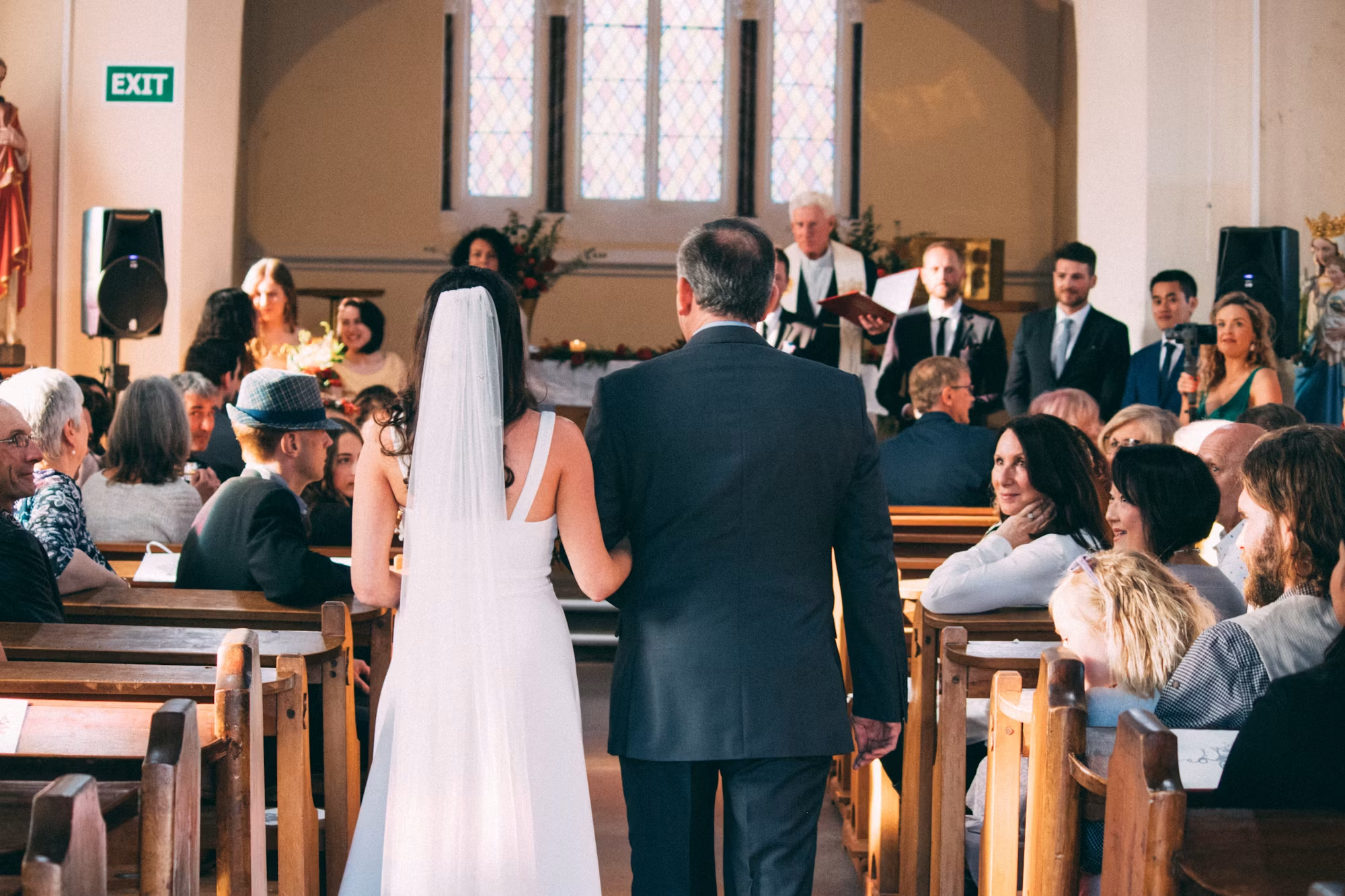
Planning a wedding can be one of the most exciting yet challenging experiences in a couple’s life. With numerous details to consider, from the venue to the guest list, the process can quickly become overwhelming. However, with careful planning and a clear vision, couples can craft a memorable celebration that reflects their unique love story. This article offers essential tips for every couple to ensure their wedding day is everything they dream it to be.
1. Define Your Vision
Before diving into the logistics of wedding planning, couples should take time to define their vision. This involves discussing their preferences, values, and expectations for the day. Whether it’s a grand celebration or an intimate gathering, establishing a shared vision sets the foundation for all decisions to come. Couples might consider creating a mood board, collecting images, and ideas that resonate with their style. This visual representation can serve as a helpful reference point throughout the planning process.
2. Set a Budget
One of the first and most crucial steps in wedding planning is establishing a budget. Having a clear understanding of finances will guide decision-making and help avoid overspending. Couples should consider all potential costs, including venue fees, catering, attire, decor, and entertainment. It’s also wise to allocate a portion of the budget for unexpected expenses that may arise. By setting a budget, couples can prioritize what matters most to them, ensuring that they allocate funds accordingly.
3. Choose the Right Venue
The venue sets the tone for the entire celebration, so choosing the right one is vital. Couples should consider factors such as location, capacity, and style when selecting a venue. Some may prefer a traditional setting, such as a church or banquet hall, while others might opt for a more unconventional space, like a beach or garden. Visiting potential venues in person can help couples visualize their wedding day and assess the ambiance and layout. Additionally, it’s important to book the venue well in advance, as popular locations tend to fill up quickly.
4. Create a Guest List
Determining the guest list can be a delicate task, but it’s essential for planning. Couples should start by creating a rough list of everyone they wish to invite, categorizing them into different groups such as family, friends, and colleagues. Once a preliminary list is established, couples can review and make necessary adjustments based on their venue capacity and budget. Remember, each guest is an important part of the celebration, so couples should consider who will truly enhance their experience on the big day.
5. Personalize the Ceremony
The wedding ceremony is the heart of the celebration, and personalizing it can make it even more special. Couples should consider writing their own vows, incorporating meaningful readings, or including rituals that reflect their heritage or beliefs. These personal touches can create an emotional connection for both the couple and their guests, making the ceremony more memorable. Couples should also think about music selections that resonate with their journey together, adding to the atmosphere of love and commitment.
6. Curate a Unique Reception
After the ceremony, the reception is where the celebration truly unfolds. Couples should consider their preferred style of reception, whether it be formal, casual, or themed. This is also the time to showcase personal tastes through decor, table settings, and entertainment. Couples might want to include signature cocktails, a unique wedding cake, or interactive entertainment such as photo booths to engage guests. The goal is to create an inviting and enjoyable atmosphere where everyone can celebrate together.
7. Select the Right Vendors
Choosing the right vendors can greatly impact the overall success of the wedding. Couples should take time to research and meet with potential vendors, including caterers, photographers, florists, and entertainers. Reading reviews and seeking recommendations can help in making informed choices. It’s essential to communicate openly with vendors about expectations and preferences, ensuring that everyone is aligned on the vision for the day. Building good relationships with vendors can also lead to better collaboration, resulting in a more seamless experience.
8. Embrace Technology
In today’s digital age, technology plays a significant role in wedding planning. Couples can utilize wedding planning apps to manage tasks, track budgets, and create timelines. Additionally, many couples are opting for wedding websites to share details with guests, including the itinerary, venue information, and registry links. Social media can also be a great tool for gathering inspiration and connecting with other couples in the planning phase. Moreover, live streaming services can allow friends and family who are unable to attend in person to join the celebration virtually.
9. Focus on Self-Care
Amid the excitement and stress of planning, it’s essential for couples to prioritize self-care. Taking breaks, spending quality time together, and enjoying pre-wedding activities can help alleviate stress and strengthen their bond. Couples should also be mindful of their mental and emotional well-being as the wedding day approaches. Practicing mindfulness or engaging in hobbies can provide a refreshing escape from the planning chaos, allowing couples to reconnect and enjoy the journey.
10. Be Flexible and Enjoy the Journey
Finally, it’s important for couples to remain flexible and open-minded throughout the planning process. While having a vision is crucial, unexpected challenges may arise. Embracing these moments with a positive attitude can lead to creative solutions and unforgettable memories. On the wedding day, couples should focus on the love they share and the celebration of their commitment, rather than fixating on details. After all, the most important aspect of the day is the union of two individuals surrounded by their loved ones.
In conclusion, planning the perfect wedding involves careful consideration and collaboration between partners. By defining a vision, setting a budget, selecting the right venue, and personalizing the ceremony and reception, couples can create a celebration that reflects their unique love story. With the right vendors and a focus on self-care, the planning process can be enjoyable and rewarding. Ultimately, the wedding day is a celebration of love, and by embracing the journey, couples can ensure their special day is filled with joy, laughter, and cherished memories.